


Your feet are the foundation of every walk. When you're out exploring the boardwalk or taking a gentle stroll through town, the right shoes can make the difference between enjoying yourself and limping home uncomfortable. The truth is, there's no single perfect shoe for everyone — it all comes down to understanding what YOUR feet actually need.
We're going to walk you through the key things to look for when you're choosing walking shoes. By the end, you'll know exactly what cushioning feels right, what kind of support matters, and how to spot a shoe that'll actually fit your foot properly. Not marketing speak — just practical guidance based on how feet work.
Cushioning: More Than Just Softness
Here's what most people get wrong about cushioning. They think softer equals more comfortable. But that's not how feet work. You need cushioning that absorbs impact without making your foot unstable.
When you're walking on pavement or concrete, your foot strikes the ground with force roughly equal to 1.2 times your body weight with each step. Over a 45-minute walk, that's thousands of impacts. Good cushioning spreads that force across your foot rather than concentrating it in one spot.
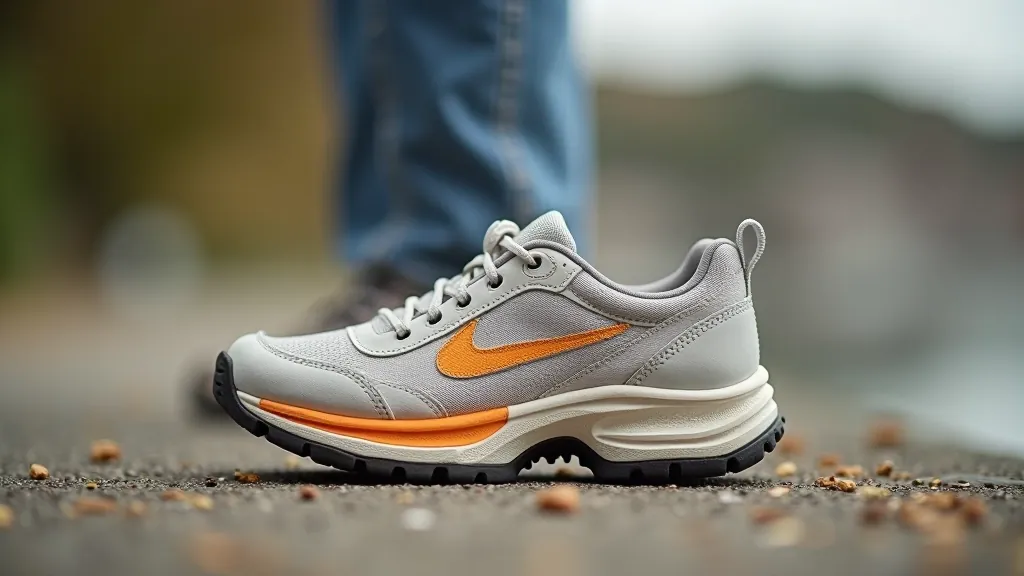
Look for shoes with midsole cushioning — that's the layer between the insole and the outsole. Foam compounds like EVA (ethylene-vinyl acetate) are common and work well. You'll also see gel, air, or other technologies. The key is that it shouldn't compress too much under your weight. Press down on the heel — if your thumb sinks in more than a quarter inch, the cushioning might be too soft for regular walking.
Quick tip: Don't judge cushioning by pressing with your hand. Your foot's weight in the shoe matters. Go to a shop where you can try them on and walk around for at least 5 minutes. That's the real test.

Support and Stability Matter More Than You'd Think
Support doesn't mean rigid. It means your foot stays in a stable position throughout the walking motion without rolling inward or outward excessively. This is called pronation control, and it's genuinely important for comfort on longer walks.
When you walk, your foot naturally rolls inward slightly — that's called overpronation if it rolls too much. Some people underpronate, rolling outward. Both can lead to foot fatigue or pain because your muscles work harder to compensate.
The best way to check this? Look at your old shoes. Where's the wear pattern on the sole? If it's concentrated on the inner edge of the heel, you overpronate. Outer edge means underpronation. Neutral wear is across the heel. Once you know your pattern, you can choose shoes with support features that match it.
The Fit Test: Size Isn't Just a Number
This is where most people mess up. They buy the same size they've always worn without actually trying the shoes on properly. Your feet change shape over time — they don't stay the same size forever.
Here's what to check when you try shoes on:
- There should be roughly a thumb's width of space between your longest toe and the shoe end. Not tight, not sloppy.
- The heel shouldn't slip when you walk. You should feel snug contact, but not pinched.
- The midfoot — around your arch — should feel supported without pressure points.
- Your toes need room to wiggle. They shouldn't be cramped or rubbing against the side.
Try shoes in the afternoon when your feet are slightly swollen — that's closer to their size after walking. Bring the socks you'll actually wear. Walk around the shop for a good 10 minutes. If something feels off in the shop, it'll feel worse on a 45-minute walk.
Disclaimer: This article provides general information about selecting comfortable walking shoes. It's not a substitute for professional footwear advice or medical consultation. If you experience persistent foot pain, discomfort, or have specific health concerns related to your feet, consult a podiatrist or healthcare professional. Individual needs vary based on foot structure, medical history, and personal circumstances.
The Insole Factor: It's More Important Than You Think
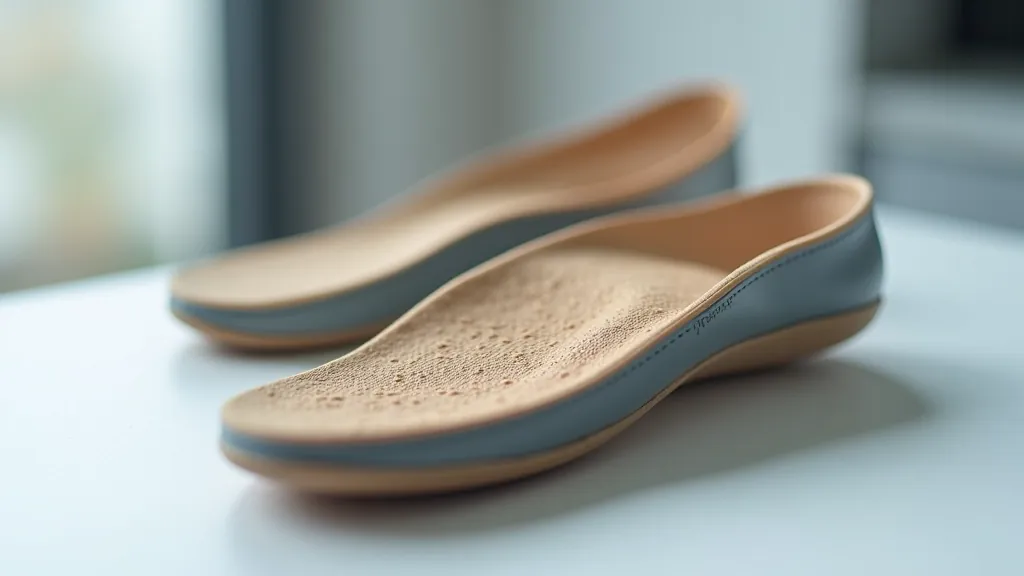
Many people overlook the insole, but it's genuinely crucial. The insole is what your foot actually sits on, and a good one makes a huge difference in how your foot feels after 30 or 40 minutes of walking.
Basic insoles are flat and thin. They don't do much beyond provide a surface. Better insoles have arch support built in — they're contoured to match your foot's shape. This support reduces how hard your arch muscles work and distributes pressure more evenly across your foot.
If a shoe comes with a basic insole but otherwise feels right, you can actually replace it with an aftermarket one. Brands like Superfeet or custom orthotics make insoles specifically for different arch types. It's not expensive — usually £20-40 — and it can transform a decent shoe into a genuinely comfortable one. Worth considering if you're between shoe models or want to improve a pair you already own.
The Practical Takeaway
Don't overthink this. You don't need fancy technology or premium brands to get comfortable walking shoes. You need three things: proper cushioning that absorbs impact without being mushy, support that matches your foot's natural pronation pattern, and a fit that's genuinely comfortable when you walk in them for 10 minutes in the shop.
Your feet will thank you, and you'll actually look forward to your walks instead of dreading them. That's the real measure of a good walking shoe.